Specialty Formulations for RNA Storage & Delivery
Engineering the molecular environment to improve RNA stability
Easy to Use
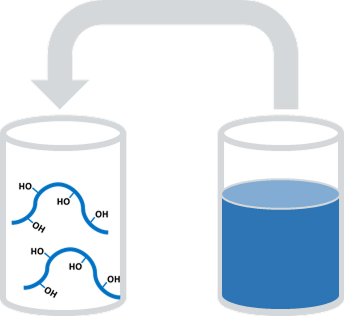
Just add and mix with
existing RNA or LNPs
Solution Stable
No need for freezing or
lyophilization
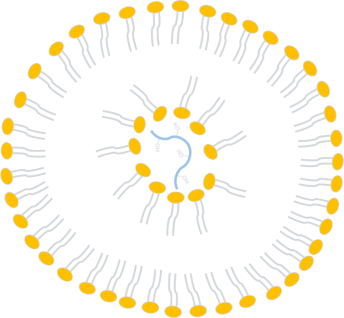
LNP Compatible
Improves both RNA
& LNP stability
Sequence Independent
No RNA modifications
necessary
So how do these formulations work so well?
Specific Compounds Can Shield RNA from Degradation
Our formulations incorporate carefully selected compounds with unique properties to protect RNA
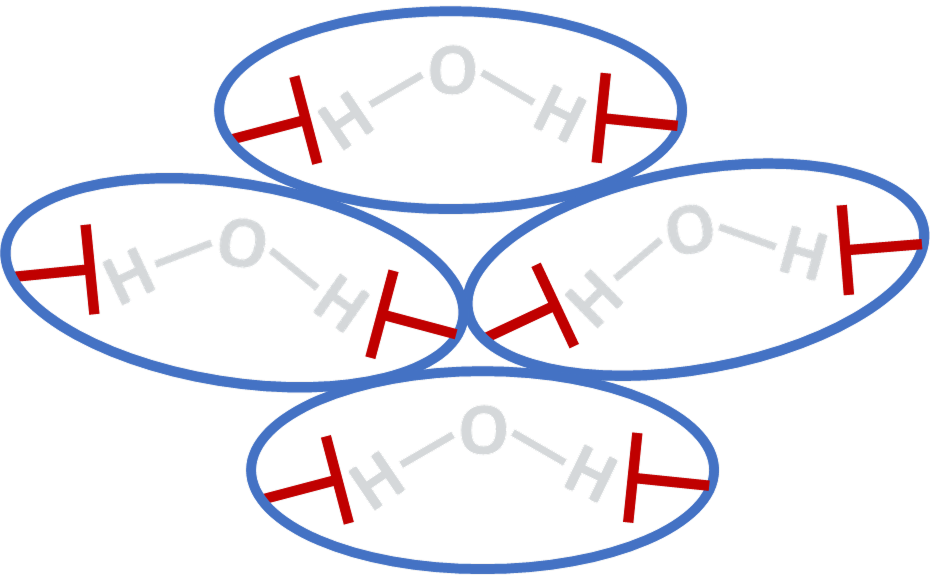
Ionic Suppressor
Reduce the movement of protons
and ions in solution, lowering
the catalytic potential of water
Masking Agent
Prevent aggregation and reduce
electrostatic interactions that may
promote RNA degradation
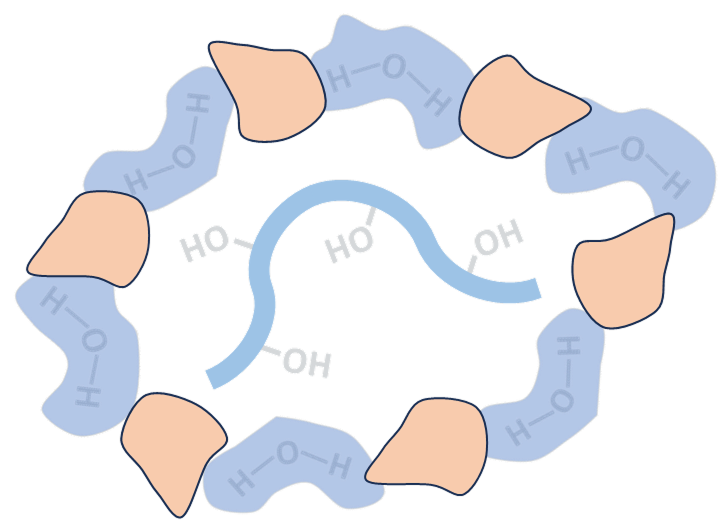
Hydration Coordinator
Order water structure and
hydrogen bonding network of
water molecules around RNA
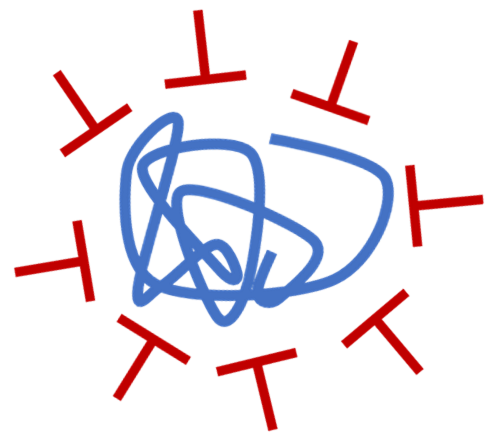
Molecular Restraint
Restrict RNA movement in solution
and limit flexibility
to prevent self-cleavage
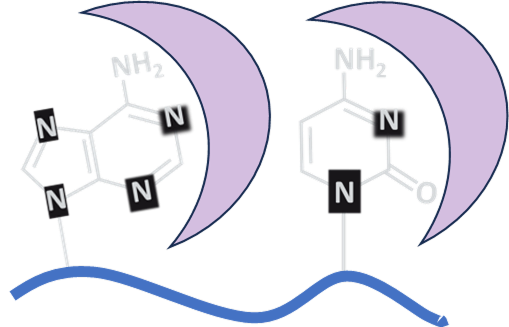
Base Coupler
Interact with bases at hydrophobic
hydrophilic interface to protect
from chemical modifications
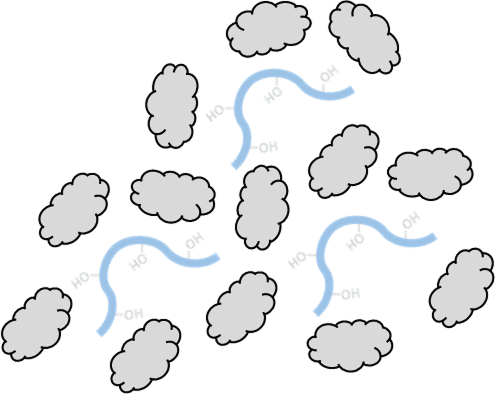
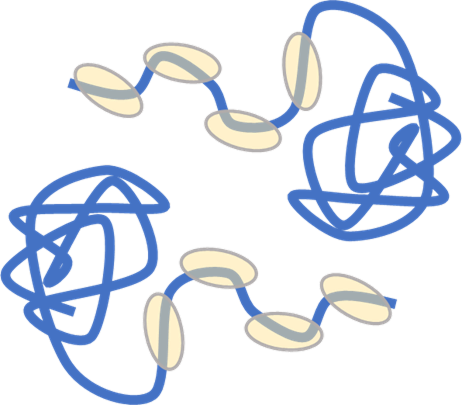
Molecular Chaperone
Protect free strands and
unfolded regions that
are more prone to hydrolysis
Combining these compounds produces great synergies and dramatically improves RNA & LNP stability
Want to know how?

Let's use an Ionic Suppressor as an example.
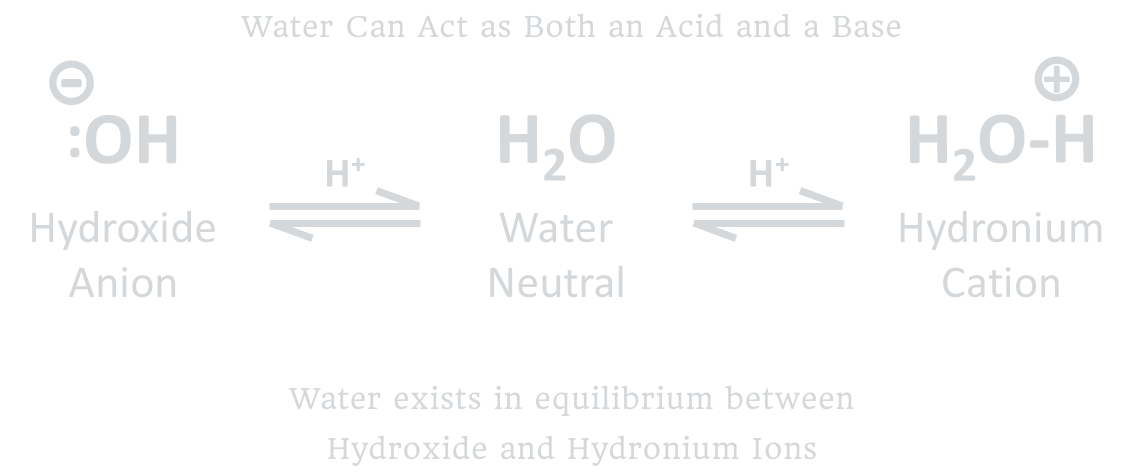
How water catalyzes RNA hydrolysis in solution
  • Water contributes to proton movement that catalyzes RNA strand cleavage
  • Suppressing water's ability to donate and exchange protons makes RNA degradation less likely
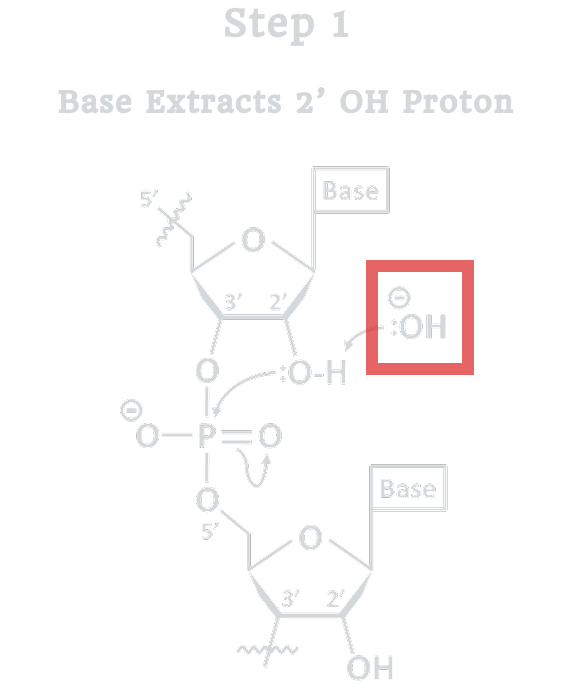
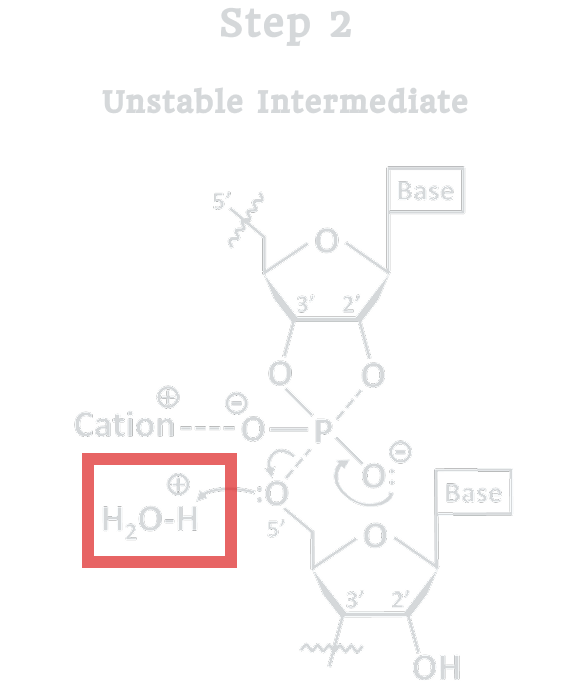
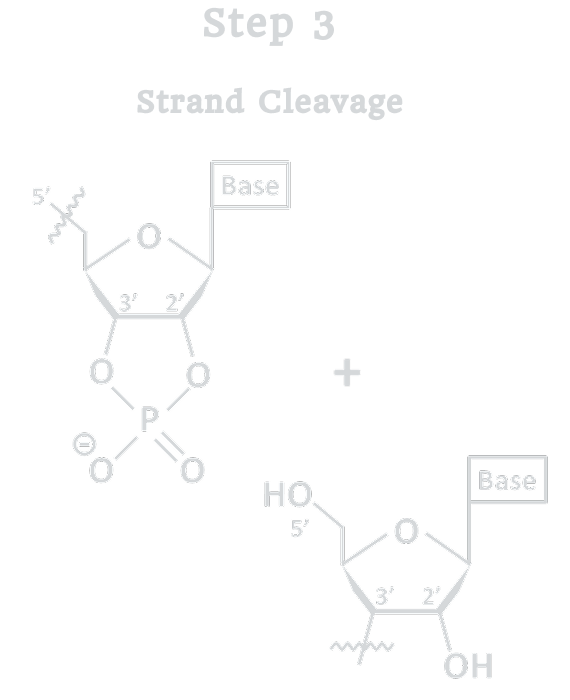
Mechanism of water catalyzed RNA hydrolysis
Water acting as a base (i.e. hydroxide) starts the hydrolysis reaction by extracting H+ from the 2'OH group.
This forms an unstable intermediate. Protonated water (i.e. hydronium) can then donate a proton back to phosphate, but this time on the 5’-end
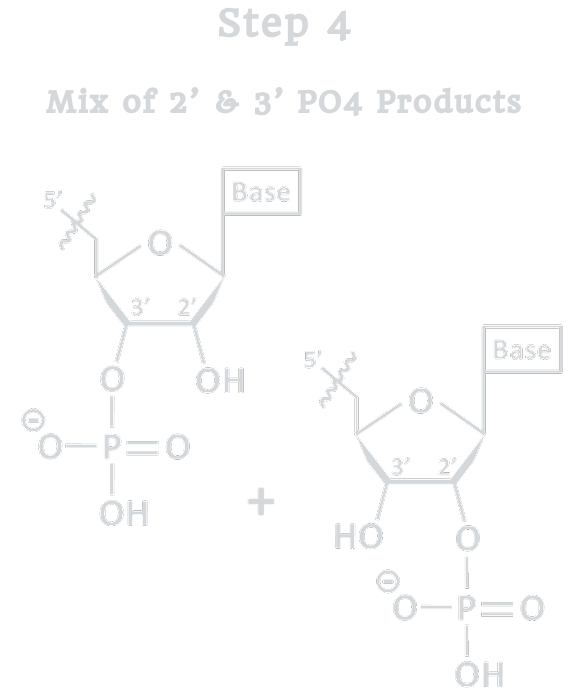
Collapse of the intermediate leads to irreversible strand cleavage and a 2’,3’-cyclic phosphate on one end
The 2’,3’-cyclic phosphate hydrolyzes to form a mixture of both 3’ and 2’ phosphate.  A hallmark of non-enzymatic RNA hydrolysis
Want to learn more details &
other causes of RNA degradation?
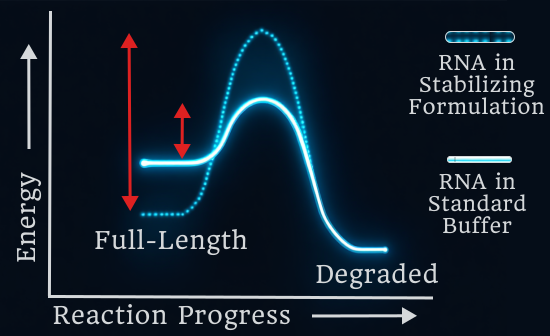
Using an Ionic Suppressor to restrict proton movement increases the energy required to initiate the reaction
Increasing the activation energy of hydrolysis improves RNA stability
The Thermodynamics of RNA Stability
Reducing proton movement can make RNA degradation less energetically favorable
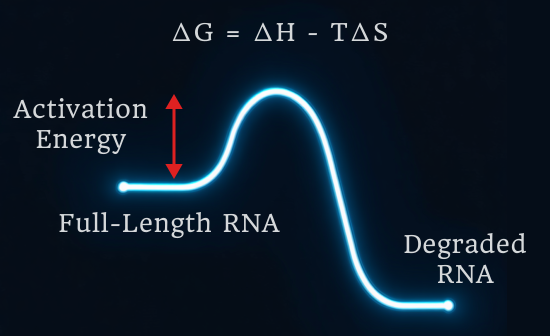
RNA degradation is largely driven by heat (aka energy) and entropy
This is a reason why storing RNA at cold temperatures improves shelf-life and stability
RNA Degradation Requires Activation Energy
The environment surrounding RNA can improve stability by requiring more energy to activate degradation
Storing RNA in formulations that increase the activation energy required to drive degradation can dramatically improve RNA stability and allow storage at higher temperatures
Engineering the Environment
to Increase Activation Energy
Stabilizing Compounds Create Incredible Synergies
Combining multiple compounds with complementary properties can even further improve stability
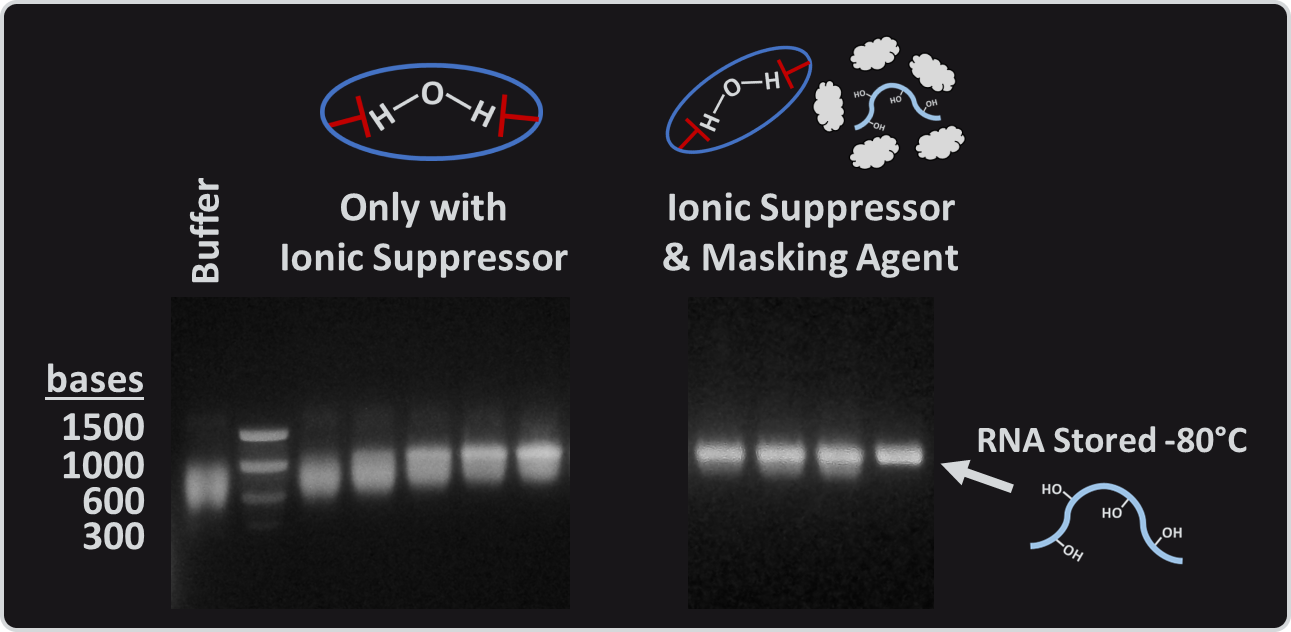
Mixing an Ionic Suppressor with a Masking Agent improves stability beyond any single compound alone
The combination of both stabilizing compounds displays excellent stability under extreme storage at 60°C for 6 days!
RNA Stored at 60°C for 6 days
The Result
Highly stable RNA formulations that preserve integrity in solution
without freezing or lyophilization

Want to learn more?
See our stability data
Alpine Medical Technology, LLC
Copyright 2026